

Within the dynamic world of the Twitch platform, in which video gaming, artistic expression, and social interaction converge, every moment matters. If you're a relaxed viewer that appreciates catching live streams or a passionate content creator eager to capture your favorite moments, knowing how to efficiently record and store Twitch streams is crucial. With the right tools and techniques, you can make sure that your favorite streams, VODs, clips, and highlights are stored for future enjoyment and even reused for your streams or social media.
This guide will examine various methods for capturing, saving, and archiving Twitch content across various platforms and devices. We'll cover all aspects from how to save Twitch videos on macOS and Windows to mobile capture options and including browser-based tools. By following the tips and strategies discussed here, you'll be ready to capture top-notch Twitch content that you can treasure and share long after the broadcast ends. So let's jump into the top ways to ensure you never lose a second of your Twitch experience.
Methods for Capturing Twitch.tv Broadcasts
Recording Twitch streams can be carried out through different techniques, each catering to different requirements and preferences. The first and simplest method is using specific applications solutions that enable you to record your desktop and audio simultaneously. Options like Open Broadcaster Software Studio or Streamlabs OBS are favored among streamers for their versatility and extensive features. With these applications, you can customize your capture settings, set the resolution and bitrate, and achieve high-quality film capture, making them ideal for professional capture arrangements.
Another effective approach to capture Twitch.tv streams is through web-based recording tools. These applications are more user-friendly for users who may not want to download software. Platforms like Stream Capture or Twitch Leecher enable you to capture straight from your browser while streaming on Twitch.tv. They often come with functionalities that allow for easy management and downloading of clips, highlights, or entire VODs, making them a convenient choice for occasional streamers and those looking for a speedy solution without the need for technical expertise.
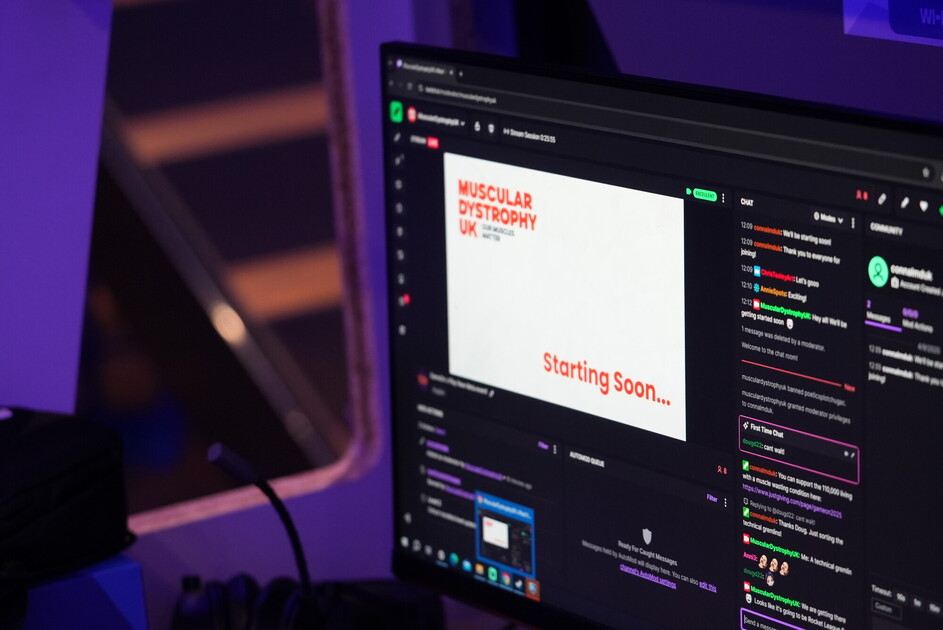
For mobile users, there are specific applications designed to help Twitch recording on smartphones and tablets. Applications like Omlet or Mobizen Screen Recorder offer multi-platform support and enable you to capture gameplay and streams straight from your device. This method is particularly useful for gamers who broadcast on the go or want to save mobile-centric materials. No matter what the approach you choose, maintaining sound and video standards is crucial, as well as understanding your device's limitations for best results.
Downloading and Storing VODs
To effectively capture and store VODs from Twitch, it is essential to grasp the platform's native features. Twitch allows streamers to store their broadcasts as VODs for a limited time, allowing viewers to catch up on their beloved content. For streamers, the first step in maintaining their streams is making sure VODs are turned on in their control panel options. Once recorded, these streams can be accessed via the creator's channel and obtained straight for archiving purposes.
There are multiple tools and software choices available for acquiring Twitch VODs. Using dedicated Twitch video recorders can simplify the process, enabling users to grab several VODs in one go. Some platforms and applications even offer features for mass download, which can significantly reduce the time spent on archiving several videos. When selecting a tool, ensure it supports the preferred video quality and format to maintain high audio and video quality.
Once VODs are saved, proper management and storage become vital. Develop a methodical approach to categorize content based on dates, topics, or titles. Contemplate using cloud storage solutions or external hard drives that offer sufficient space for long-term preservation. Additionally, be cognizant of legal considerations regarding content ownership and fair use guidelines, making sure that your archive complies with Twitch’s terms of service. This proactive management will not only keep your content but also enhance your ability to reflect on and market it in the future.
Top Tools for Saving Content
When it comes to capturing Twitch streams, picking the appropriate software can greatly enhance your experience and preserve your favorite moments. For desktop users, programs such as Open Broadcaster Software and Streamlabs OBS are prominent. These applications not just allow premium recording of streams but also include a range of customizable settings, ensuring you capture the best audio and visual quality. Their accessible interfaces make it easy to adjust resolution and bitrate, suitable for both novices and more experienced users alike.
For those in search of a mobile solution, applications like Mobizen and AZ Screen Recorder provide great options for recording Twitch content on mobile phones and tablets. These tools are designed exclusively for mobile devices, enabling users to conveniently capture gameplay without burdening device performance. With features such as the capability to record in high resolution and options for editing on the go, mobile users can easily archive and share their cherished Twitch moments right from their devices.
If you prefer a somewhat automated approach, consider using web-based recording services like Loom Video Recorder or Clipchamp. These applications enable you to capture Twitch streams straight from your browser without needing to install bulky software. They frequently come with built-in cloud storage options, making it easier to manage and manage your recordings. Additionally, they provide features like editing capabilities and mass download options, which can streamline your content archiving process and ensure your best moments are preserved for later enjoyment.
Storing and Organizational Techniques
When it comes to storing Twitch streams and arranging recorded content, a definite and organized approach is essential. Start by establishing a systematic folder structure on your local storage or online storage. For instance, you might have main folders for each year, and inside those, separate folders for every game or occasion. This method facilitates for simple navigation and retrieval of particular streams, VODs, or clips, minimizing the effort spent searching for content afterwards.
Utilizing uniform naming conventions for your files also aids in arrangement. Think about including the timestamp, game name, and type of media in the file name, such as "2023.03.15_Game_NameStream.mp4" or "2023.03.15Game_Name_Highlight.mp4". Record Twitch clips in rapidly recognizing the content but also aids with sorting and categorizing files when you need to find specific material.
Lastly, think about implementing a backup strategy to guarantee the long-term preservation of your Twitch recordings. Use external hard drives or cloud services to create copies of your most valuable content. Consistently updating your copies will protect against loss of information from technical issues or mistaken removals. Additionally, consider employing software that can automate the backup process, making sure that your creative work is always protected and easily accessible.
Lawful Considerations for Streaming Conservation
When recording and archiving Twitch streams, it is important to understand the legal implications that may arise. Intellectual property laws safeguard the content produced by streamers, which means that recording and distributing their streams without authorization may violate their rights. Always obtain consent from the initial content creators before downloading or sharing their videos. Getting acquainted yourself with Twitch's user guidelines and the legal frameworks surrounding streaming content can assist avoid potential infringements.
Fair use is a concept that may be applicable in specific situations, permitting limited use of copyrighted material without permission under particular conditions. However, the boundaries of fair use can be ambiguous, especially when it comes to transformative use and profit-driven intent. If you intend to profit from your recordings or utilize them in a way that could compete with the original content, you may face legal issues. Therefore, it is crucial to apply caution and evaluate the intent behind your content preservation efforts.
Additionally, being mindful of Twitch's own policies regarding archiving and distributing content is essential to responsible content preservation. Best StreamRecorder tool offers tools for streamers to manage their videos, and often they reserve rights to their content. Respecting these policies not only helps maintain good standing within the Twitch community but also supports the creators whose work you admire. Consider seeking advice from a legal professional if you have particular questions about copyright issues related to your content archiving practices.