

Twitch has become a hub for gamers, visual creators, and content creators seeking to connect with viewers in real time. Whether you're a casual viewer or a serious broadcaster, the option to capture, download, and store your most loved content is essential to improve your time on the platform. With the appropriate tools and techniques, you can quickly save those legendary moments, unforgettable highlights, and even complete broadcasts from your chosen channels.
In this article, we will discuss how to efficiently capture content on Twitch across various platforms and devices. From recording live streams to grabbing VODs and storing clips automatically, we will cover thorough strategies that meet your needs. Whether you're using a Mac, Windows PC, or smartphone, our advice will help you simplify your Twitch experience, ensuring you always catch a moment worth preserving. Join us as we examine the most effective strategies for archiving and managing your content on Twitch carefully while keeping in mind the laws unique to digital content.
Capturing Twitch.tv Broadcasts
Capturing Twitch streams is important for those who wish to preserve their beloved moments or create material for future use. There are several techniques to accomplish this, based on the system you are utilizing. For PC users, programs like Open Broadcaster Software Studio and Streamlabs OBS offer powerful recording capabilities. On macOS, you can utilize tools like QuickTime Player alongside external software to capture high-definition streams. It's crucial to consider the video quality and bitrate settings to make certain the audio and video quality satisfy your needs.
When planning to record, it’s advantageous to set up a professional capturing setup. This entails using a good microphone and camera for any graphics or commentary. Additionally, monitoring your system's storage is important, as high-quality captures can take up a large amount of space. Organizing your captures in a way that makes them simple to retrieve later can help time and hassle during editing or review.
In conclusion, get acquainted yourself with the legal aspects surrounding Twitch content capturing. Understanding copyright laws and the rights required for distributing and monetizing captured streams will help you navigate the challenges of material ownership. Ensuring you have the appropriate permissions can safeguard your channel from possible disputes and contribute to a positive broadcasting experience.
Acquiring Twitch.tv Videos on Demand and Short Clips
To effectively acquire Twitch.tv Videos on Demand and short clips, it is crucial to understand the resources at your disposal for this task. Multiple program options and web add-ons can facilitate the downloading process. These resources allow you to capture content from various live broadcasts and store it directly to your computer, making sure that you can relish your beloved moments offline. When choosing a method, consider the ease of operation, compatibility with your device, and any added features that may improve your downloading journey.
Once you have selected a recording tool, executing the acquisition is quite straightforward. For VODs, simply find the stream you want to save, and use the designated option in your program to initiate the acquisition. For clips, Twitch.tv provides a simple interface that allows you to generate snippets from live streams. After creating a clip, you can use acquisition options provided in your selected program to save it securely. Paying close attention to the quality and data rate is crucial to maintain video quality, making sure that your acquisitions are valuable.
In addition to individual acquisitions, some programs provide for mass download options, enabling you to download multiple VODs or clips simultaneously. This functionality is especially useful for material producers looking to archive a collection of streams or for audience members wanting to capture highlights from their favorite streams. As you establish your Twitch.tv recording collection, organizing these materials becomes essential. Consider standardized naming conventions and filing methods to keep your acquired content organized and easily available.
Preserving and Managing Content
In the realm of preserving your Twitch content, effective archiving and management strategies are crucial. Structuring your recorded streams, VODs, clips, and highlights can help streamline your creative process and make sure you can easily access your content whenever you need it. Create a structured folder system on your device or cloud storage where you can sort your recordings by date, game, or content type. This organization will help you conserve time and assist in maintaining an efficient workflow as your archive grows.
Utilizing metadata is another effective way to manage your Twitch recordings. Naming your files descriptively and tagging them with relevant information allows for better discoverability, which is essential as your collection expands. Consider integrating a database to record key information, such as video type, quality, bitrate, and any relevant notes regarding post-production or potential use in future content. This method will help maintain order and aid in making informed decisions regarding your content.
Don't forget to consider long-term backup options for your collections. Cloud storage solutions offer an excellent way to back up your files while providing convenience across devices. Additionally, using portable hard drives ensures that you have a tangible backup in case of internet disruptions or data loss. Assess your requirements based on the amount of content you produce and choose formats that harmonize audio and video quality with file size. Protecting your material contributes not only to long-term storage but also to creating valuable material for upcoming projects.
Best Practices for Quality and Organization
To guarantee excellent quality in your Twitch recordings, it is crucial to pay close attention to factors such as video quality and bitrate. Aim for a minimum of 1080p quality if your setup supports it, as this provides a sharp and professional viewing outcome. Additionally, select an appropriate bitrate that matches video quality with file size. Too little of a bitrate can lead to poor image quality, while too high may result in large files that are cumbersome to store and handle. Regularly test Visit here to find the optimal configuration for your system.
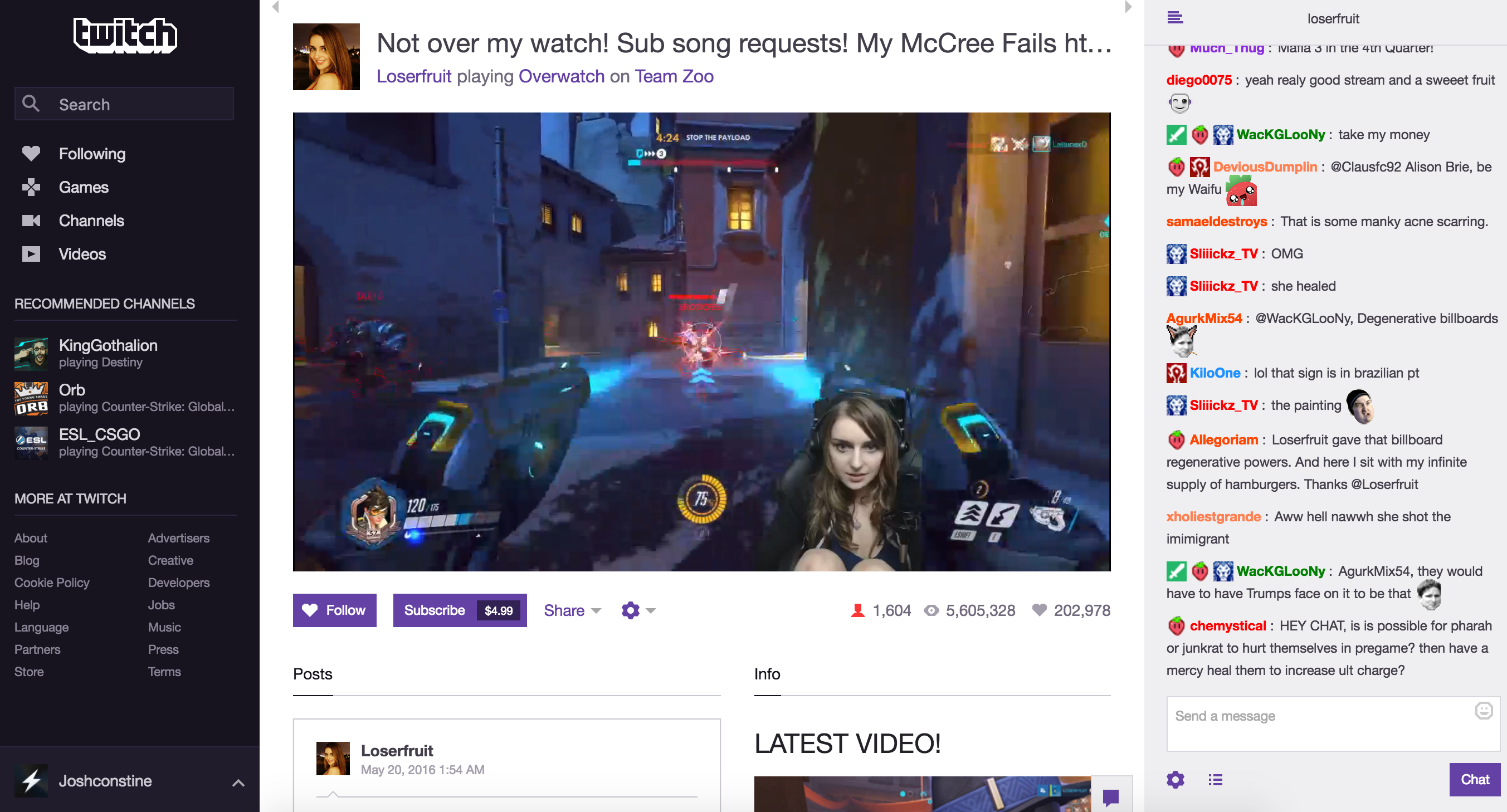
Organization is key when handling your recorded content. Create a well-organized folder system on your computer or external drive to keep your Twitch streams, highlights, and video snippets easily accessible. Use clear naming conventions that include the timestamp, stream name, and content type, making it easier to locate specific videos later. Incorporate tags or metadata for added clarity. This systematic approach will streamline your workflow, especially when you are handling bulk files or archiving multiple streams over time.
Finally, consider the permanent storage of your recordings. Utilize online backup solutions to back up your content, ensuring you do not miss out on valuable streams due to hardware failures. When selecting a cloud provider, look for those that offer ample storage space and features like scheduled backups. Regularly review your stored items to eliminate unnecessary files while keeping important content readily accessible for potential future use or revisions. This proactive approach not only preserves your work but also supports your overall channel growth plans.
Legal Issues and Revenue Generation
When recording and archiving Twitch streams, it is important to be cognizant of the legal consequences associated with content creation. Twitch's usage policies and copyright laws dictate how you can employ recorded material. Ensure that get permission from other content creators if you aim to use their streams in your recordings, as neglecting this may lead to copyright infringement issues. Familiarize yourself with fair use guidelines, which can offer some protection but are often vague and context-dependent.
Monetization of recorded Twitch content can be a practical strategy for content creators aiming to grow their channels. Platforms may have particular rules regarding monetization, so it's important to review these guidelines diligently. If you're thinking about using your recorded streams to make money, explore possibilities such as creating compilations, highlights, or tutorials based on your gameplay. These formats can attract viewers while complying with the platform's policies regarding monetization.
Ultimately, consider the moral considerations of using recorded content for profit. Transparency with your audience about how you employ recorded material fosters trust and can bolster your reputation as a content creator. Formulating a thoughtful approach to monetization not only supports your channel's growth but also honors other creators and their rights to their content.